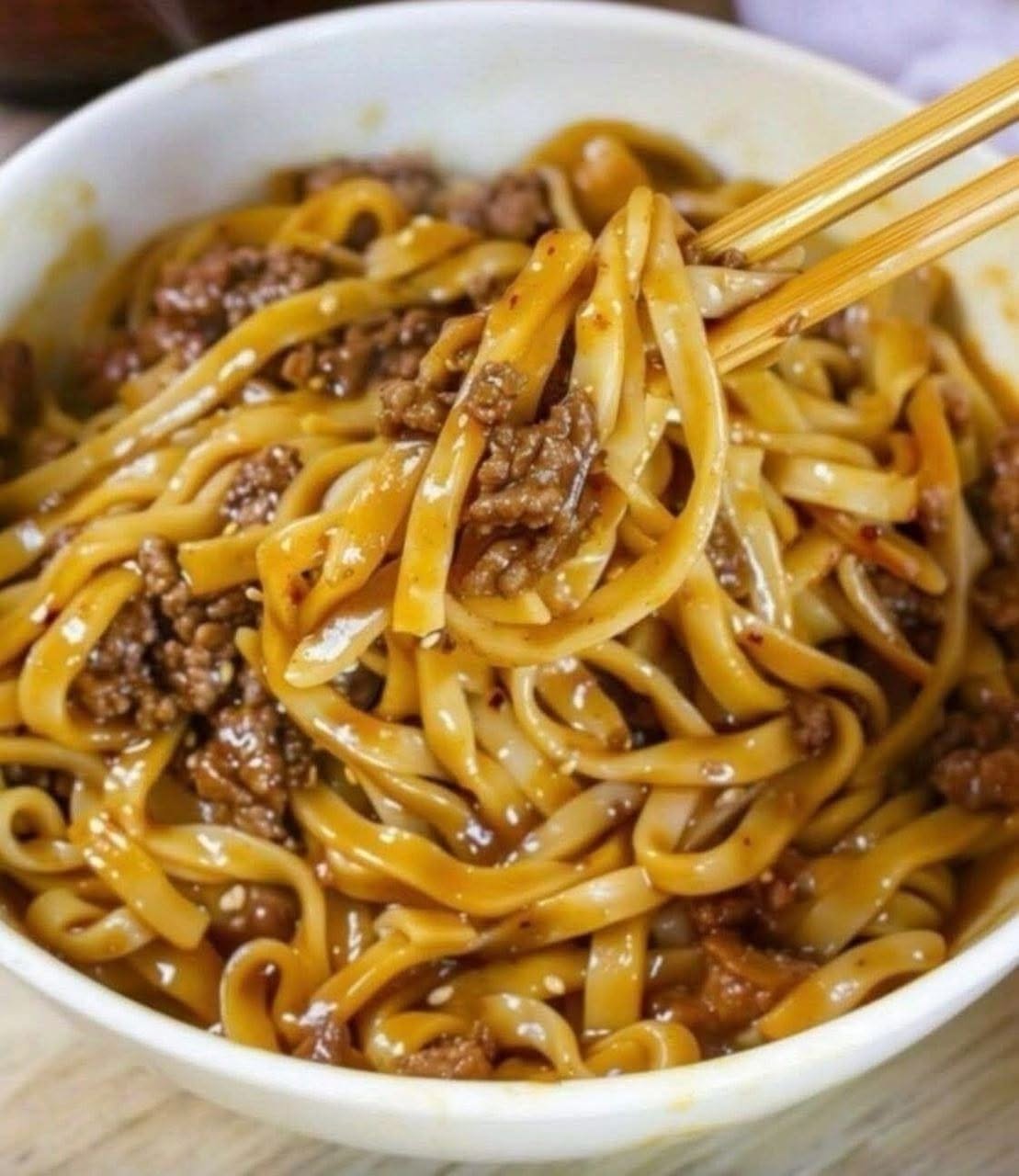
Mongolian Ground Beef Noodles is a high-velocity, 30-minute weeknight dinner that delivers a balance of savory notes, deep umami, and sweet-and-salty caramelized undertones. By swapping traditional flank steak for lean ground beef, this recipe significantly reduces preparation time while maximizing surface area for flavor absorption. A cornstarch-stabilized gloss sauce binds the tender noodles and seared beef into a cohesive, restaurant-quality meal.
Equipment & Ingredients
Component Breakdown
Section Ingredient Quantity Functional & Culinary Role
Noodle Foundation Linguine, lo mein, or ramen 8 oz (228g) Primary carbohydrate base for sauce absorption.
Aromatics & Protein Lean ground beef 1 lb (450g) High-surface-area protein that browns rapidly. (Sub: ground turkey/chicken).
Toasted sesame oil 1 tbsp (15ml) Sautéing medium that provides a toasted, nutty aroma.
Garlic & Fresh ginger 4 cloves (minced), 1 tsp (grated) Fresh aromatic backbone bloomed in rendered fats.
Mongolian Sauce Base Low-sodium soy sauce ⅓ cup (80ml) Umami foundation; manages overall salinity limits.
Light brown sugar ⅓ cup (70g), packed Delivers the signature sticky caramelization and sweetness.
Beef broth ½ cup (120ml) Expands the savory liquid volume for the glaze.
Hoisin sauce 1 tbsp (15ml) Adds a rich, complex, spiced plum-and-soy finish.
Crushed red pepper flakes ½ tsp (optional) Adds subtle back-heat.
Thickening Slurry Cornstarch & Cold water 1 tbsp cornstarch, 2 tbsp cold water Hydrocolloid slurry that converts liquid into a glossy glaze.
Final Garnish Green onions & Sesame seeds 4 stalks (sliced), 1 tsp seeds Fresh allium crunch and visual contrast.
🧪 Food Science: Surface Area Browning & Starch Slurry Dynamics
Maillard Crust (Surface Area Maximization): Ground beef provides a vastly greater surface area than sliced steak. When pressed into a hot skillet, millions of tiny meat facets undergo the Maillard reaction simultaneously. Allowing the beef to sear undisturbed for the first 2 to 3 minutes browns the proteins deeply, building a robust flavor base (fond) that forms the backbone of the dish.
Hydrocolloid Thickening (The Cornstarch Slurry Law): Cornstarch consists of tightly bound amylose and amylopectin molecules. Dropping dry cornstarch directly into a hot, simmering sauce causes the outer starches to instantly gelatinize into an impenetrable layer, creating dry, chalky lumps. Pre-mixing starch with cold water creates a uniform suspension. When added to the hot sauce, the granules swell evenly, transforming the liquid into a glossy, thick glaze.
Alkaline Carryover Noodle Rule: Boiling noodles until just under al dente (roughly 1 minute less than package directions) leaves the surface starches active and absorbent. When tossed into the simmering Mongolian sauce, the noodles pull the seasoned liquids directly into their core without bloating or turning mushy.
Step-by-Step Instructions:
LOOK NEXT PAGE DEAR──►
For Complete Cooking STEPS Please Head On Over To Next Page Or Open button (>)
For Complete Cooking STEPS Please Head On Over To Next Page Or Open button (>)
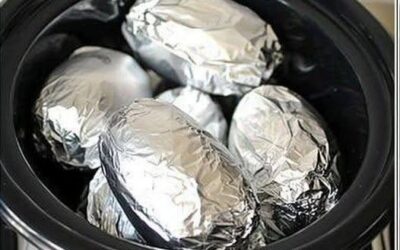
Wrap potatoes in tin foil and put in crock pot. Enjoy this lip-smacking result

3-Ingredient Beef Cracker Bites
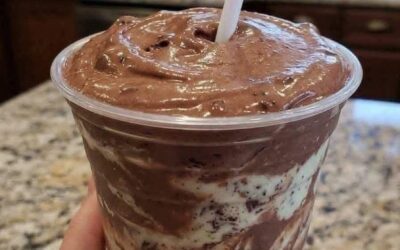
Low-Carb Chocolate Peanut Butter Cloud
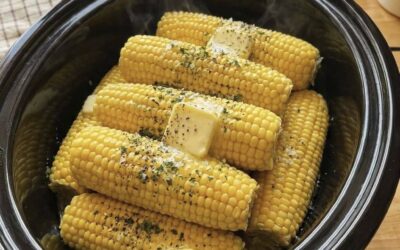
How to Cook Corn on the Cob with Just 2 Simple Ingredients: The Secret to the Sweetest, Most Flavorful Summer Corn

Two ingredients Reed Diffuser