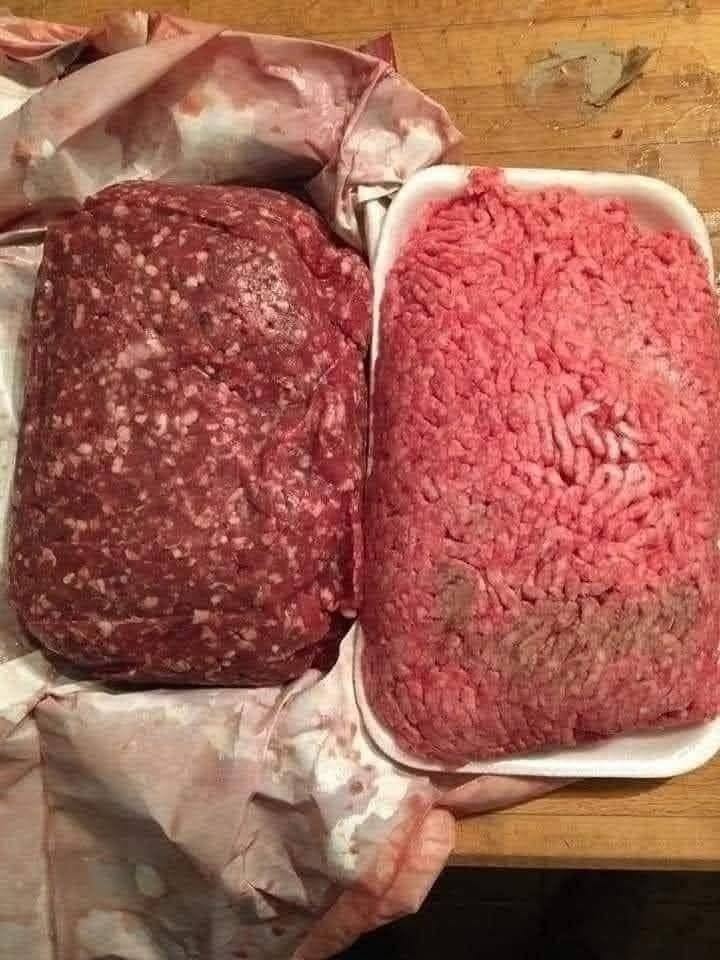
Factor
Store-Bought Beef
Farm-Raised Beef
✅ Source & Scale
Large commercial operations
Small to mid-size farms
✅ Feeding Practices
Often grain-finished (corn/sorghum) for faster growth
More likely grass-fed/finished — though not always
✅ Antibiotics & Hormones
May be used for growth promotion (in conventional systems)
Often labeled “raised without hormones” or “no antibiotics” — but verify claims
✅ Transparency
Limited — origin may be pooled from multiple states/countries
Higher — many farms share stories, photos, even farm visits
✅ Cost
Generally lower per pound
Usually higher due to labor-intensive methods
✅ Availability
Year-round, widely accessible
Seasonal or limited supply in some areas
💡 Neither is inherently “better” — each has trade-offs.
🌱 How Cattle Are Raised: What Matters Most
1. Diet: Grass vs. Grain
Grass-Fed: Cattle eat only grass and forage their entire lives
Grain-Finished: Cattle start on grass, then move to feedlots where they’re fed grain to add marbling and weight
📊 Nutritional differences:
Nutrient
Grass-Fed Advantage
✅ Omega-3 fatty acids
Slightly higher
✅ Conjugated linoleic acid (CLA)
Modestly higher — studied for potential health benefits
✅ Vitamin E & antioxidants
Tend to be higher
But the differences are modest — and both types provide high-quality protein, iron, zinc, and B12.
⚠️ Note: Not all “farm-raised” = grass-fed. Ask questions.
2. Animal Welfare & Living Conditions
Many farm-raised animals spend their lives on pasture with space to roam — which supports natural behaviors.
In contrast, conventional feedlot systems prioritize efficiency — and while regulated, they offer less space per animal.
🔍 Look for third-party certifications:
Animal Welfare Approved
Certified Humane
Global Animal Partnership (GAP)
These ensure higher welfare standards — whether store-bought or local.
3. Environmental Impact
Large-scale operations use more fossil fuels, water, and generate concentrated waste — but produce meat efficiently
Small farms often use rotational grazing (good for soil health), but require more land per pound of beef
🌍 Both models face challenges. Sustainable beef production is evolving — no perfect answer yet.
🛒 What About Labels? Decoding the Terms
The packaging can be confusing — here’s what common labels actually mean:
Label
What It Means
What It Doesn’t Mean
✅ Natural
Minimally processed, no artificial ingredients
Not about how the animal was raised
✅ Organic
No synthetic hormones, antibiotics, or GMO feed
Doesn’t guarantee grass-fed or pasture access
✅ No Hormones Added
Verified claim (rarely used in pork/poultry anyway)
Only applies to beef — and many conventional farms don’t use them either
✅ Grass-Fed
Diet is mostly grass — but finish matters (ask if grass-finished)
Not automatically organic or humane
✅ Local
Grown nearby — supports community
Doesn’t guarantee better quality or practices
📌 Pro Tip: When buying farm-raised beef, ask the farmer directly:
“How do you raise your cattle? Are they on pasture year-round?”
💡 Which Should You Choose?
There’s no one-size-fits-all answer. Your choice depends on:
Priority
Recommended Option
✅ Budget-friendly
Store-bought (look for value packs, sales)
✅ Taste preference (richer flavor)
Grain-finished or dry-aged beef
✅ Leaner profile
Grass-fed/farm-raised
✅ Supporting local economy
Farm-raised from trusted sources
✅ Simplicity & convenience
Supermarket beef with clear labeling
🍽️ Many families mix both — using premium cuts from local farms for special meals, and everyday store options for weeknight dishes.
❌ Debunking the Myths
Myth
Truth
❌ “All store-bought beef is full of hormones and antibiotics”
False — legal residues are minimal; “no antibiotics” means none were used, but conventional meat is still safe
❌ “Farm-raised = organic”
Not true — unless certified
❌ “Grass-fed tastes better”
Subjective — some prefer the milder flavor of grain-fed
❌ “Only small farms care about animals”
Misleading — many large producers follow strict animal care guidelines
Final Thoughts
You don’t need to go back to the family farm to eat well.
But you do deserve to know where your food comes from — and feel confident in your choices.
So next time you’re choosing beef… pause.
Ask gently:
What matters most to me? Taste? Cost? Transparency? Tradition?
Then choose — calmly, wisely, and without judgment.
Because real nourishment isn’t about perfection. It’s about connection — to the land, the animal, and the table.
And that kind of meal? It feeds more than hunger.
For Complete Cooking STEPS Please Head On Over To Next Page Or Open button (>)

Wrap potatoes in tin foil and put in crock pot. Enjoy this lip-smacking result

3-Ingredient Beef Cracker Bites

Low-Carb Chocolate Peanut Butter Cloud
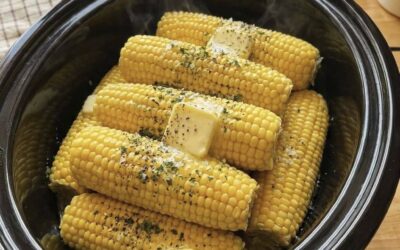
How to Cook Corn on the Cob with Just 2 Simple Ingredients: The Secret to the Sweetest, Most Flavorful Summer Corn

Two ingredients Reed Diffuser